Introduction
When it comes to organizing laundry, many people confuse laundry baskets with hampers, often treating them as interchangeable items. However, these two laundry storage solutions serve very different purposes. A laundry basket is typically designed for transportation, while a hamper is meant for storage.
In this article, we’ll explore the practical differences between a laundry basket and a hamper. By understanding these distinctions, you’ll be better equipped to choose the right solution based on your space, laundry routine, and storage needs.
Understanding the Laundry Basket
Definition and Purpose
A laundry basket is a lightweight container designed to carry laundry from one place to another. These baskets are essential for transporting both clean and dirty clothes around the house. Typically, they are open-topped, making it easier to load and unload clothes. The primary purpose of a laundry basket is to facilitate the movement of clothes between different areas of the home, such as from the bedroom to the laundry room or from the washing machine to the drying area.
These baskets are ideal for smaller loads of laundry that need to be transported frequently, making them a perfect choice for individuals or smaller households that regularly handle laundry.
Key Features of a Laundry Basket
One of the most defining features of a laundry basket is its open top, which provides easy access for adding or removing clothes. The ventilated design, often with holes or mesh fabric, is another key characteristic. It helps reduce moisture buildup and prevents the growth of unpleasant odors, which can occur when damp clothes are stored without airflow. Being lightweight, these baskets are easy to carry around, making them perfect for those who need to move laundry from room to room.
Best Use Cases for a Laundry Basket
The laundry basket is best suited for people who frequently handle laundry in smaller, more manageable loads. It is great for transporting clothes from one location to another, whether it's for a quick wash or when moving clean laundry from the drying area to the storage space. Its portability makes it essential for anyone who uses a shared laundry space or has a laundry routine that involves several smaller loads throughout the week.
What is a Laundry Hamper?
Definition and Purpose
A laundry hamper is a stationary container designed specifically to store dirty clothes until they are ready to be washed. Unlike a laundry basket, hampers are typically taller and often come with a lid to conceal the laundry and prevent odors from spreading. They are designed to remain in one spot and are ideal for storing clothes over an extended period, such as until laundry day.
Hampers are perfect for larger households or for anyone who prefers to accumulate laundry over several days. Their stationary design and increased capacity allow for efficient storage of dirty clothes.
Key Features of a Hamper
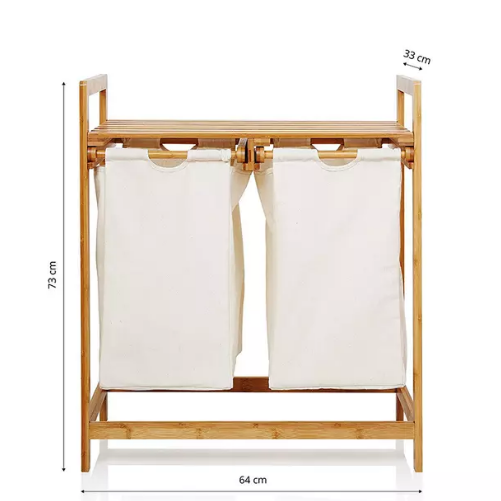
Most laundry hampers are taller and narrower, making them ideal for smaller spaces like bathrooms or bedrooms where they can be tucked away without taking up too much room. The lid on most hampers is designed to keep the dirty clothes hidden, maintaining a tidy appearance in your home. In addition, many hampers feature compartments, which can help in sorting laundry by color, fabric type, or purpose. These features help maintain organization and keep clothes concealed, especially in spaces where aesthetics matter.
Best Use Cases for a Laundry Hamper
Hampers are ideal for households where laundry accumulates over several days. Their larger capacity makes them suitable for families or individuals who don’t do laundry daily. The lid and the taller design help keep dirty laundry out of sight, making them perfect for rooms where cleanliness and organization are priorities. They are best placed in bedrooms, bathrooms, or closets, where they can stay out of the way yet remain easily accessible when it's time to sort and wash the laundry.
Key Differences Between a Laundry Basket and a Hamper
Design and Structure
The design of a laundry basket is centered around portability. It typically has an open top for easy access to clothes, and it is made from lightweight materials, allowing it to be easily carried. The laundry hamper, in contrast, is designed to stay in one place. It is usually taller, often with a lid, and may include compartments to help sort laundry. These differences in design directly influence their intended purposes—baskets for transportation and hampers for storage.
Capacity and Usage
A laundry basket is generally smaller in size, holding only a modest amount of laundry. It’s ideal for frequent trips to the laundry room, particularly when only a few loads need to be washed at a time. On the other hand, a laundry hamper is larger, with a greater capacity to store dirty clothes for several days. This makes it ideal for families or individuals who prefer doing laundry in bulk, typically once a week.
Portability vs. Stationary
A laundry basket is meant to be moved frequently. It is lightweight, with handles for easy transport. In contrast, a laundry hamper remains stationary, often placed in a corner or closet, and is not meant to be moved regularly. Its design emphasizes storage over mobility.
Feature | Laundry Basket | Laundry Hamper |
Purpose | Transporting clothes | Storing clothes until washing |
Design | Open top, lightweight, portable | Tall, narrow, often with a lid |
Capacity | Smaller, ideal for frequent loads | Larger, suited for bulkier loads |
Portability | Highly portable with handles | Stationary, stays in one location |
Best Use Case | Frequent laundry and easy transport | Storing dirty laundry for several days |
Collapsible Laundry Baskets: Space-Saving Solutions
Features of Collapsible Baskets
For those with limited storage space, collapsible laundry baskets offer an excellent solution. These baskets can easily be folded flat when not in use, saving space in homes, apartments, or dorm rooms. They are lightweight and portable, even in their folded state. Collapsible baskets are usually made from fabric, mesh, or silicone materials, making them versatile and adaptable to various needs.
Best Use Cases for Collapsible Baskets
These baskets are perfect for small apartments or spaces with limited storage. Their foldable nature makes them easy to store away when not needed. They are also an excellent choice for traveling or for use in shared living spaces like dorms, where saving space is a priority. Their lightweight and durable design makes them an ideal companion for individuals who need to transport laundry without taking up too much room.
Materials: Which is Best for Your Laundry Basket or Hamper?
Plastic
Plastic is one of the most common materials for both laundry baskets and hampers. It is durable, moisture-resistant, and easy to clean. Plastic baskets are great for heavy-duty use, especially in environments where the basket will be exposed to frequent handling. They are also relatively inexpensive, making them a practical choice for many people.
Wicker and Bamboo
Wicker and bamboo are popular materials for hampers due to their aesthetic appeal and breathability. These materials allow air to flow through the laundry, preventing the buildup of odors. Bamboo, in particular, is an eco-friendly option, making it a great choice for those who prioritize sustainability in their home products.
Fabric and Canvas
Fabric and canvas are lightweight, collapsible materials often used for laundry baskets. These materials are soft yet sturdy, and they can easily be folded for storage. They come in a variety of colors and patterns, making them a stylish choice for those who want a functional yet decorative laundry solution.
Metal and Mesh
Metal and mesh materials offer breathability and are especially useful for heavy-duty laundry. They are durable and allow air to circulate, which is ideal for preventing odors in damp clothes. These materials are commonly used for baskets that need to withstand heavy use, such as those used in laundromats or industrial laundry facilities.
Material Type | Laundry Basket | Laundry Hamper |
Plastic | Durable, easy to clean, moisture-resistant | Sometimes used for hampers, lightweight |
Wicker/Bamboo | Not common for baskets | Stylish, breathable, eco-friendly |
Fabric/Canvas | Lightweight, collapsible | Often used for hampers, soft-sided |
Metal/Mesh | Great for heavy-duty laundry, breathable | Less common, but available for hampers |
When to Use a Laundry Basket vs. a Hamper
Space Considerations
If space is limited, a laundry basket is a better choice due to its compact size and portability. Its lightweight design allows it to fit easily in smaller areas, such as closets or tight corners. Hampers, while larger and capable of holding more laundry, are better suited for larger spaces where you need a permanent solution for storing dirty clothes. Hampers can take up more space, so they're ideal for rooms with enough storage capacity.
Laundry Frequency
For households that do laundry frequently, a laundry basket is perfect. It accommodates smaller, more manageable loads, making it easy to transport laundry in and out of the washing machine. On the other hand, a laundry hamper is more suitable for those who accumulate dirty laundry over several days. Its larger capacity makes it perfect for bulkier loads, ensuring everything is kept in one place until it's time for washing.
Odor Control
Laundry hampers with lids are much better at controlling odors. They keep dirty clothes out of sight, while the lid prevents smells from escaping into the room. This feature is especially important for households where dirty clothes may sit for days before washing. Laundry baskets, with their open designs, provide less odor control. However, they are perfect for more frequent, smaller loads, which don’t have a chance to develop odors if washed soon after use.
Budget Considerations
Laundry baskets are generally more affordable, particularly basic models made from plastic or mesh. These options are practical and budget-friendly, perfect for individuals or small households. In contrast, laundry hampers tend to be more expensive, especially if they come with extra features like lids, compartments for sorting, or premium materials like bamboo or wicker. If budget is a key factor, a basic laundry basket may be the most cost-effective choice.
Scenario | Laundry Basket | Laundry Hamper |
Space Consideration | Best for smaller spaces | Ideal for larger spaces |
Laundry Frequency | Frequent laundry loads, smaller trips | Storing laundry for several days |
Odor Control | Limited odor control | Better odor control with lids |
Budget | Typically less expensive | May be more expensive, especially with features |
Hybrid Solutions: Combining Baskets and Hampers
Benefits of Using Both
Using both a laundry basket and a laundry hamper can create a more efficient system in your home. A hamper can store clothes for several days, keeping them organized and out of sight. A laundry basket can be used to transport laundry to the laundry room, making it easier to manage smaller, more frequent loads. This setup works especially well for large households or families with varying laundry needs, allowing you to combine storage and transport effectively.
When to Invest in Both
Investing in both a laundry basket and a laundry hamper is particularly beneficial for families or individuals with multiple laundry routines. It provides an optimal solution for different laundry needs—while hampers offer long-term storage, baskets make transportation easy. This combination ensures that laundry is well-organized and that the process remains as efficient as possible.
Conclusion
Understanding the laundry basket vs. hamper debate helps you choose the best solution for your needs. Laundry baskets are ideal for portability and smaller, frequent loads, while laundry hampers excel in storing laundry for longer periods. Depending on your space, laundry habits, and needs, you may find that a combination of both offers the best solution for your home. Fujian Wanmei Bamboo And Wood Development Co., Ltd. offers eco-friendly bamboo baskets that combine style, durability, and sustainability, making them a great addition to any home.
FAQ
Q: What is the difference between a laundry basket and a hamper?
A: A laundry basket is portable, designed for transporting laundry, while a hamper is stationary, intended for storing dirty clothes until wash day.
Q: Can I use a hamper as a laundry basket?
A: Yes, but hampers are typically bulkier and harder to carry. Laundry baskets are lighter and easier to move between rooms.
Q: What material is best for a laundry basket?
A: Plastic and fabric are durable options for a laundry basket, while wicker and bamboo provide a stylish and eco-friendly alternative.
Q: Why choose a laundry basket over a hamper?
A: Laundry baskets are ideal for frequent laundry loads, offering portability and easy transport, while hampers are better for storing clothes for longer periods.
Q: Are collapsible laundry baskets durable?
A: Yes, collapsible laundry baskets made from materials like fabric and mesh are durable and perfect for easy storage when not in use.


 Factory-Direct Pricing StructureMaximize your margins by sourcing directly from our manufacturing base.
 Rigorous Quality AssuranceTotal peace of mind with inspections conducted by our certified professional QC team.
 Premier Innovation & DesignCustom-engineered solutions backed by our robust R&D capabilities.


